George B
Extinct but not forgotten Staff Member
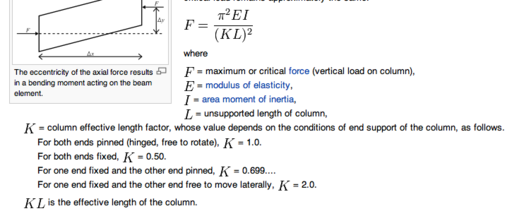
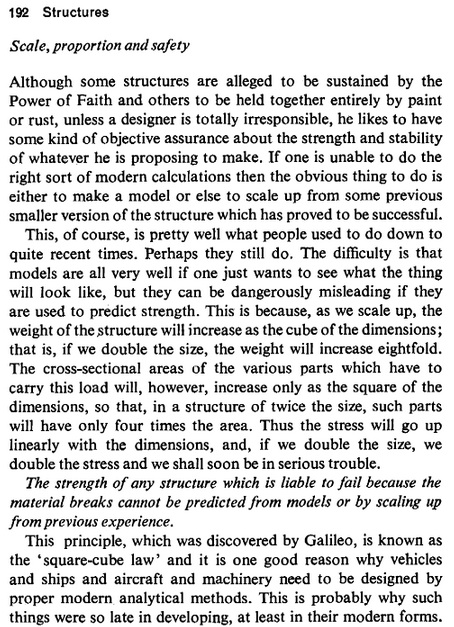
What are the errors in this presentation . . . seems logical and well thought out . . . the failure of the original floors would not logically be all at once but could be gradual or very uneven based on uneven heat transference . . . and then the average resistance force of the remaining building . . . ??? With 8.62 meters per second downward force of the mass of the 15 floors in the North Tower and assuming zero resistance of the missing floor that was removed by fire and crash damage . . . it should have taken at least 44 seconds to crush the building to the ground . . . is he wrong? If so WHY?
1. http://www.youtube.com/watch?v=5QMSAsOkumI&list=PL8A5E12A6C804B81A&feature=player_detailpage#t=19s
2. http://www.youtube.com/watch?v=ecmQegzMJQE&feature=player_detailpage&list=PL8A5E12A6C804B81A#t=3s
3. http://www.youtube.com/watch?v=L_j1jAv1j3U&feature=player_detailpage&list=PL8A5E12A6C804B81A#t=14s
Conclusion video #3 below:
1. http://www.youtube.com/watch?v=5QMSAsOkumI&list=PL8A5E12A6C804B81A&feature=player_detailpage#t=19s
2. http://www.youtube.com/watch?v=ecmQegzMJQE&feature=player_detailpage&list=PL8A5E12A6C804B81A#t=3s
3. http://www.youtube.com/watch?v=L_j1jAv1j3U&feature=player_detailpage&list=PL8A5E12A6C804B81A#t=14s
Conclusion video #3 below: